

Are Fertilizer Special Pipes suitable for small - scale farming?
As a supplier of Fertilizer Special Pipes, I've often been asked whether these pipes are a good fit for small - scale farming. In this blog post, I'll delve into the various aspects to help small - scale farmers make an informed decision.
Advantages of Fertilizer Special Pipes for Small - Scale Farming
1. Precise Fertilizer Delivery
One of the primary benefits of using Fertilizer Special Pipes in small - scale farming is the ability to achieve precise fertilizer delivery. These pipes are designed to distribute fertilizers evenly across the fields. For small - scale farms, where resources are often limited, this precision is crucial. It ensures that each plant receives the right amount of nutrients, which can lead to better crop yields. Unlike traditional methods of fertilizer application, such as broadcasting, which may result in uneven distribution, Fertilizer Special Pipes can target specific areas of the field. This is especially important for small farms that may have different soil conditions in various parts of the plot.
2. Water Conservation
Fertilizer Special Pipes can be integrated with irrigation systems. This combination allows for the simultaneous application of water and fertilizers, a process known as fertigation. In small - scale farming, water is a precious resource, and efficient use is essential. By using these pipes, farmers can reduce water wastage. The pipes can deliver water and fertilizers directly to the root zone of the plants, minimizing evaporation and runoff. This not only conserves water but also reduces the leaching of fertilizers into the groundwater, which can have environmental benefits.
3. Cost - Effectiveness in the Long Run
Although the initial investment in Fertilizer Special Pipes may seem high for small - scale farmers, they can be cost - effective in the long run. With precise fertilizer application, farmers can use less fertilizer while still achieving good yields. This reduces the overall cost of fertilizers over time. Additionally, the integration with irrigation systems can lead to savings on water bills. Moreover, these pipes are durable and require less maintenance compared to some other traditional farming equipment. They can withstand harsh environmental conditions, such as exposure to chemicals and sunlight, which means that farmers won't have to replace them frequently.
4. Adaptability
Fertilizer Special Pipes come in various sizes and configurations, making them highly adaptable to different small - scale farming setups. Whether it's a small vegetable garden, a fruit orchard, or a greenhouse, these pipes can be customized to meet the specific needs of the farm. They can be easily installed and adjusted according to the layout of the fields and the type of crops being grown. For example, in a greenhouse, the pipes can be arranged in a way that provides uniform fertilization to potted plants.
Challenges of Using Fertilizer Special Pipes in Small - Scale Farming
1. High Initial Investment
As mentioned earlier, the upfront cost of purchasing and installing Fertilizer Special Pipes can be a significant barrier for small - scale farmers. These pipes, along with the necessary fittings and equipment for integration with irrigation systems, can be expensive. Small - scale farmers often operate on tight budgets, and coming up with the funds for this investment can be difficult. Additionally, there may be costs associated with training farmers on how to use and maintain the pipes properly.
2. Technical Knowledge Requirement
Using Fertilizer Special Pipes effectively requires a certain level of technical knowledge. Farmers need to understand how to calculate the right amount of fertilizers to be applied, how to set up the fertigation system, and how to troubleshoot any issues that may arise. Small - scale farmers may not have access to the same level of technical support as large - scale operations. This lack of knowledge can lead to improper use of the pipes, which may result in poor fertilizer distribution and reduced crop yields.
3. Compatibility with Existing Systems
In some cases, small - scale farmers may already have existing irrigation or fertilization systems in place. Integrating Fertilizer Special Pipes with these systems can be challenging. There may be issues with compatibility in terms of pipe sizes, pressure requirements, and chemical compatibility. For example, if the existing irrigation system operates at a different pressure than what the Fertilizer Special Pipes are designed for, it can lead to uneven fertilizer distribution or even damage to the pipes.
Comparison with Other Options
1. Construction Steel Pipe
When considering alternatives to Fertilizer Special Pipes, Construction Steel Pipe is sometimes an option. However, construction steel pipes are primarily designed for construction purposes and may not be optimized for fertilizer distribution. They may not have the necessary features for precise fertilization, such as small - diameter holes for even distribution. Additionally, steel pipes are more prone to corrosion when exposed to fertilizers and water, which can reduce their lifespan and affect the quality of fertilizer delivery.
2. 3087 Seamless Steel Tubes
3087 Seamless Steel Tubes are another alternative. While they are known for their strength and durability, they may not be the best choice for small - scale farming. These tubes are often used in industrial applications and may be over - engineered for small - scale agricultural needs. They are also likely to be more expensive than Fertilizer Special Pipes, and their large size may not be suitable for the limited space of small farms.
3. 45# Precision Steel Tube
45# Precision Steel Tube is a high - precision tube, but it may not be the most practical option for small - scale farming. Similar to the other steel options, it may be more expensive and less suitable for the specific requirements of fertilizer distribution. The precision of these tubes is often designed for mechanical engineering applications rather than agricultural use.
Making the Decision
For small - scale farmers, the decision to use Fertilizer Special Pipes depends on several factors. If the farm has a long - term plan for growth and the farmer is willing to invest in the initial setup and acquire the necessary technical knowledge, Fertilizer Special Pipes can be a great choice. They offer numerous benefits in terms of precise fertilization, water conservation, and long - term cost savings.
However, if the farmer has a very limited budget and lacks access to technical support, they may need to consider other options or start with a smaller - scale implementation of the pipes. For example, they could try using the pipes in a small test area of the farm to see if the benefits outweigh the challenges.
Conclusion
In conclusion, Fertilizer Special Pipes have the potential to be highly suitable for small - scale farming, but they also come with their own set of challenges. The advantages of precise fertilizer delivery, water conservation, cost - effectiveness in the long run, and adaptability make them an attractive option. However, the high initial investment, technical knowledge requirement, and compatibility issues need to be carefully considered.
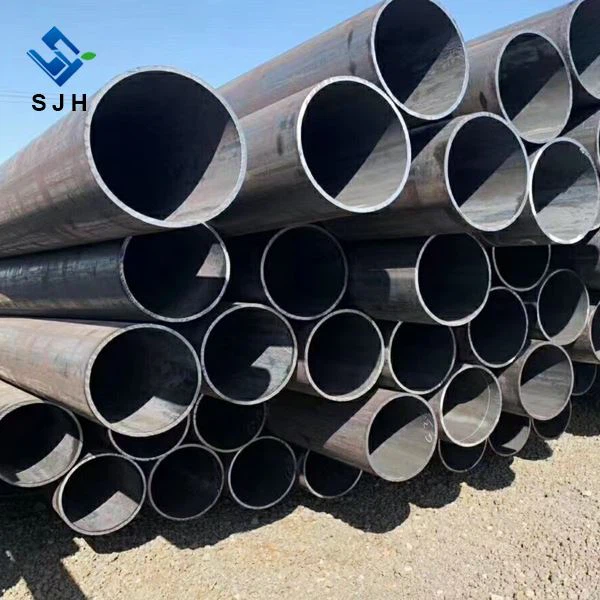

If you're a small - scale farmer interested in learning more about how Fertilizer Special Pipes can benefit your farm, I encourage you to reach out for a detailed discussion. We can help you assess your specific needs, provide cost estimates, and offer technical support. Let's work together to make your farming operations more efficient and productive.
References
- Agricultural Engineering Handbook: This comprehensive handbook provides in - depth knowledge on various agricultural equipment and technologies, including fertilization systems.
- Journal of Small - Scale Agriculture: Articles in this journal often discuss the practical aspects of implementing new technologies in small - scale farming, including the use of specialized pipes for fertilization.
- Local Agricultural Extension Services: Their reports and guidelines offer valuable insights based on local farming conditions and experiences.