

Can steel pipes be bent easily?
As a steel pipe supplier, I often get asked by clients whether steel pipes can be bent easily. The answer to this question is not a simple yes or no. It depends on several factors, including the type of steel, the pipe's dimensions, and the bending method used.
First, let's talk about the type of steel. Different types of steel have different properties, which can significantly affect their bendability. For instance, carbon steel is one of the most commonly used types of steel for pipes. It is relatively easy to bend compared to some other types of steel because it has a lower carbon content, which makes it more ductile. Ductility is the ability of a material to deform under tensile stress without breaking. When a pipe is bent, it is essentially being put under tensile stress on the outer side of the bend and compressive stress on the inner side. A more ductile material can withstand these stresses better and be bent without cracking or breaking.
On the other hand, stainless steel, which you can learn more about Stainless Steel Material, is known for its corrosion - resistance. However, it is generally less ductile than carbon steel, especially some high - alloy stainless steels. The presence of elements like chromium and nickel in stainless steel can increase its strength but reduce its bendability. So, bending stainless steel pipes often requires more specialized equipment and techniques.
The dimensions of the steel pipe also play a crucial role in its bendability. The wall thickness, outer diameter, and length of the pipe all matter. Thicker - walled pipes are generally more difficult to bend than thinner - walled ones. This is because the thicker the wall, the more material there is to deform, and the greater the force required to bend it. Similarly, pipes with a larger outer diameter are more challenging to bend. The larger the diameter, the more the outer surface of the pipe has to stretch during bending, which can lead to issues such as wrinkling or cracking if not done correctly.
Now, let's consider the bending methods. There are several ways to bend steel pipes, each with its own advantages and limitations.
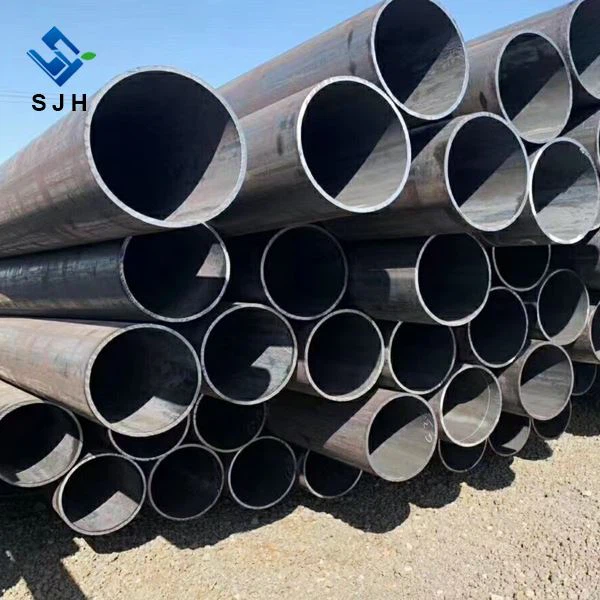

One of the most common methods is cold bending. Cold bending is done at room temperature and is suitable for pipes with relatively small diameters and thinner walls. It is a cost - effective method as it does not require heating the pipe. However, it has its limitations. For example, if the pipe is too thick or the bend radius is too small, cold bending may cause the pipe to crack or deform in an undesirable way.
Hot bending, on the other hand, involves heating the pipe to a specific temperature before bending. This makes the steel more malleable and reduces the risk of cracking. Hot bending is often used for larger - diameter pipes, thicker - walled pipes, or pipes made of less ductile materials like some stainless steels. However, it requires specialized heating equipment and more precise control of the heating process. If the pipe is over - heated or under - heated, it can lead to problems such as uneven bending or changes in the material's properties.
Another method is induction bending. Induction bending uses an electromagnetic field to heat a specific section of the pipe rapidly. This method allows for precise control of the heating and bending process, resulting in high - quality bends. It is particularly useful for pipes that require accurate bend angles and radii. However, it is a more expensive method due to the cost of the induction bending equipment.
When it comes to comparing steel pipes with other types of pipes, such as ASTM B111 Copper tube, copper tubes are generally easier to bend. Copper is a very ductile material, and it can be bent with relatively simple tools at room temperature. But copper has its own drawbacks, such as lower strength and higher cost compared to steel.
In the market, there is a high demand for bent steel pipes in various industries, including construction, oil and gas, and manufacturing. For those who are looking to Buy Seamless Steel Pipe for bending purposes, seamless steel pipes are often preferred. Seamless pipes have a more uniform structure, which can result in better bendability and fewer defects during the bending process.
If you are considering using steel pipes for a project that requires bending, it is essential to work with a professional supplier like me. I can provide you with the right type of steel pipe based on your specific requirements, whether it is carbon steel, stainless steel, or other alloys. I can also offer advice on the best bending method for your pipes to ensure a successful outcome.
In conclusion, while steel pipes can be bent, it is not always an easy task. The bendability of steel pipes is influenced by multiple factors, and careful consideration of these factors is necessary. Whether you are a contractor, an engineer, or a DIY enthusiast, understanding the properties of steel pipes and the bending process is crucial for achieving the desired results.
If you have any questions about steel pipes, their bendability, or are interested in purchasing steel pipes for your project, I encourage you to reach out. We can have a detailed discussion about your needs and find the best solutions for you. Let's work together to ensure your project is a success.
References
- "Metallurgy of Steel Pipes" - A technical guidebook on the properties and processing of steel pipes.
- "Pipe Bending Techniques in the Construction Industry" - A research paper on different pipe bending methods and their applications.