

Proper storage of copper alloy tubes is crucial for maintaining their quality and performance. As a copper alloy tube supplier, I understand the importance of ensuring that these tubes are stored in the right conditions. In this blog, I will share some key points on how to store copper alloy tubes properly.
1. Understanding the Characteristics of Copper Alloy Tubes
Before delving into storage methods, it's essential to understand the properties of copper alloy tubes. Copper alloys, such as brass and bronze, have different compositions that affect their corrosion resistance, mechanical properties, and susceptibility to environmental factors. For example, H62 Brass Tube is a common brass alloy with good plasticity and corrosion resistance, while H65 Brass Round Tube has higher strength and better cold - working performance. C2680 Brass Tube is known for its excellent formability and electrical conductivity.
2. Choosing the Right Storage Location
- Dry Environment: Copper alloy tubes are prone to corrosion in humid conditions. Therefore, the storage location should be dry, with a relative humidity preferably maintained below 60%. High humidity can cause the formation of copper oxides and other corrosion products on the surface of the tubes, which can degrade their appearance and performance. For example, in coastal areas where the air is more humid, additional dehumidification measures may be required, such as using dehumidifiers in the storage warehouse.
- Temperature Control: Extreme temperatures can also have a negative impact on copper alloy tubes. The storage temperature should be kept within a reasonable range, typically between 10°C and 30°C. Sudden temperature changes can cause thermal stress in the tubes, which may lead to cracking or deformation over time.
- Protection from Sunlight and Rain: Direct sunlight can cause the temperature of the tubes to rise, accelerating the oxidation process. Rain can introduce moisture and contaminants to the tubes. So, the storage area should be sheltered from sunlight and rain. If outdoor storage is unavoidable, the tubes should be covered with waterproof and UV - resistant tarps.
3. Storage Methods for Different Types of Copper Alloy Tubes
- Individual Packaging: Each copper alloy tube should be individually wrapped or protected to prevent scratches and abrasions during storage and handling. Soft materials such as plastic film or corrosion - inhibiting paper can be used for wrapping. This not only protects the surface of the tubes but also helps to isolate them from the surrounding environment, reducing the risk of corrosion.
- Stacking and Support: When stacking copper alloy tubes, proper support should be provided to prevent deformation. The tubes should be stacked on flat and stable pallets or racks. The stacking height should be limited to avoid excessive pressure on the lower tubes. For long tubes, additional support at regular intervals can prevent sagging.
- Separation of Different Alloys: Different copper alloys may have different chemical properties. To avoid galvanic corrosion, it is necessary to separate tubes of different alloys during storage. For example, brass tubes should not be stored in direct contact with bronze tubes.
4. Preventing Corrosion
- Surface Treatment: Applying a thin layer of anti - corrosion coating on the surface of the copper alloy tubes can effectively prevent corrosion. There are various types of anti - corrosion coatings available, such as oil - based coatings and water - based coatings. The choice of coating depends on the specific application and storage conditions of the tubes.
- Desiccants and Corrosion Inhibitors: Placing desiccants or corrosion inhibitors in the storage area can help absorb moisture and prevent corrosion. Silica gel is a commonly used desiccant, which can be placed in small bags near the tubes. Corrosion inhibitors can be in the form of volatile corrosion inhibitors (VCIs), which release a protective vapor that forms a thin film on the surface of the tubes, preventing corrosion.
5. Regular Inspection and Maintenance
- Visual Inspection: Regular visual inspections should be carried out to check for any signs of corrosion, deformation, or damage on the copper alloy tubes. Any tubes showing signs of problems should be removed and treated promptly to prevent further deterioration.
- Cleaning: If the tubes become dirty during storage, they should be cleaned gently using a mild detergent and a soft cloth. After cleaning, the tubes should be dried thoroughly to prevent moisture from remaining on the surface.
6. Handling During Storage
- Proper Lifting and Moving: When moving copper alloy tubes in the storage area, proper lifting equipment should be used to avoid dropping or mishandling. Forklifts or cranes with appropriate attachments should be used for lifting heavy tubes. The tubes should be lifted and moved smoothly to prevent damage.
- Documentation and Inventory Management: Keeping accurate records of the storage location, entry and exit dates, and quantity of copper alloy tubes is essential for efficient inventory management. This helps to ensure that the oldest tubes are used first, reducing the risk of long - term storage - related problems.
7. Conclusion and Call to Action
Proper storage of copper alloy tubes is a comprehensive process that requires attention to various factors, including the storage location, packaging, corrosion prevention, and regular maintenance. By following these guidelines, you can ensure that the copper alloy tubes maintain their quality and performance over time.
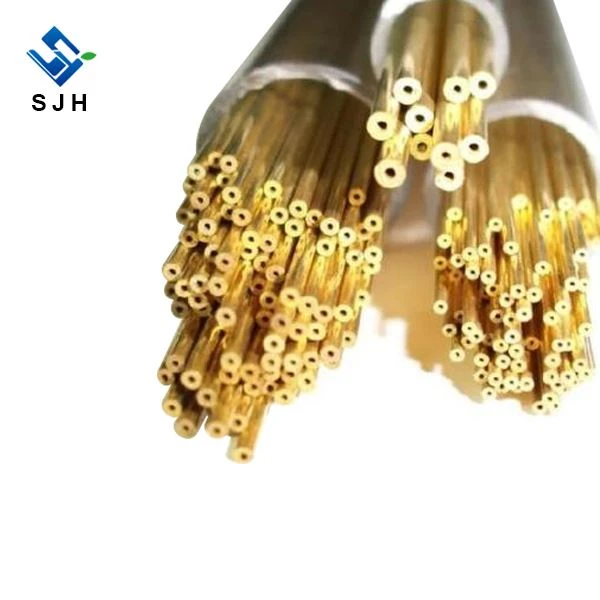
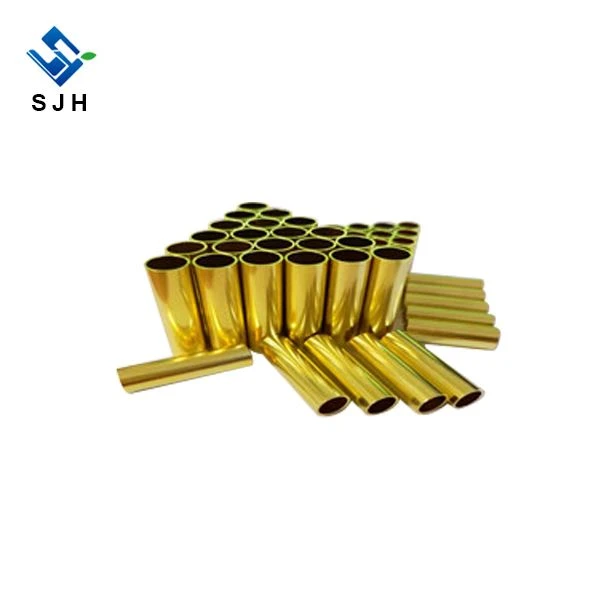
If you are in need of high - quality copper alloy tubes, we are here to provide you with the best products and services. Our H62 Brass Tube, H65 Brass Round Tube, and C2680 Brass Tube are produced with strict quality control and can meet your diverse needs. Contact us for more information and to discuss your procurement requirements. We look forward to establishing a long - term cooperative relationship with you.
References
- ASM Handbook Volume 2: Properties and Selection: Nonferrous Alloys and Special - Purpose Materials.
- Copper Development Association (CDA) Technical Publications.
- ASTM Standards related to copper and copper alloys.