

Hey there! As a supplier of Fertilizer Special Pipes, I often get asked about the shear strength of these pipes. So, I thought I'd sit down and write a blog post to share some insights on this topic.
First off, let's talk about what shear strength actually means. Shear strength is the ability of a material to resist forces that cause one part of the material to slide past another part in a direction parallel to their plane of contact. In simpler terms, it's how well a pipe can handle forces that try to cut or slice it.
When it comes to Fertilizer Special Pipes, shear strength is super important. These pipes are used in the fertilizer industry, where they are exposed to all sorts of harsh conditions. They need to be able to withstand the pressure of the fertilizer being transported, as well as any external forces that might act on them.
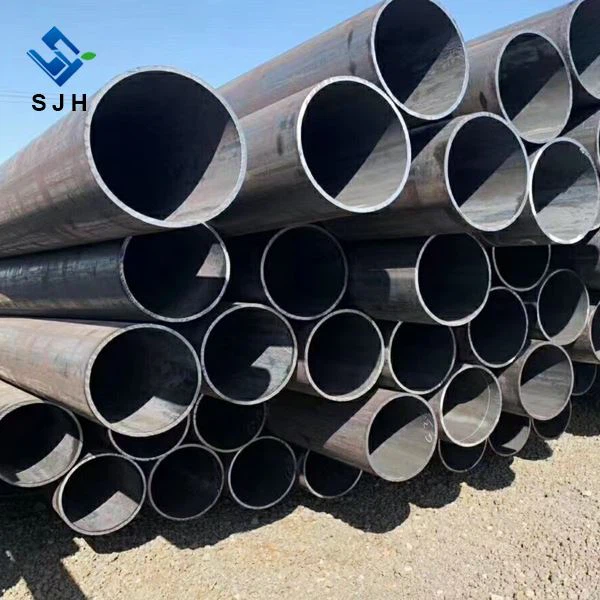

There are several factors that can affect the shear strength of a Fertilizer Special Pipe. One of the most important factors is the material the pipe is made from. Different materials have different shear strengths, and choosing the right material is crucial for ensuring the pipe can handle the job.
For example, Low Carbon Seamless Pipe is a popular choice for Fertilizer Special Pipes. Low carbon steel has good ductility and toughness, which means it can deform without breaking under shear forces. This makes it a great option for pipes that need to withstand a lot of stress.
Another factor that can affect shear strength is the pipe's wall thickness. Generally speaking, thicker walls mean higher shear strength. A thicker wall can better resist the forces that try to cut through the pipe, providing more protection and durability.
The manufacturing process also plays a role in determining the shear strength of a Fertilizer Special Pipe. Pipes that are made using high - quality manufacturing techniques are likely to have better shear strength. For instance, 3087 Seamless Steel Tubes are produced through a seamless manufacturing process. This process eliminates the weak points that can be present in welded pipes, resulting in a pipe with more consistent and higher shear strength.
In addition to the material, wall thickness, and manufacturing process, the design of the pipe can also impact its shear strength. Pipes with a well - designed cross - section can distribute shear forces more evenly, reducing the risk of failure. For example, a pipe with a circular cross - section is often more efficient at handling shear forces compared to pipes with irregular shapes.
Now, let's get into some numbers. Measuring the shear strength of a Fertilizer Special Pipe typically involves conducting tests in a laboratory. These tests apply a shear force to the pipe until it fails, and the maximum force the pipe can withstand before failure is recorded as its shear strength.
The shear strength values can vary widely depending on the factors we've discussed. For a standard Low Carbon Seamless Pipe used in the fertilizer industry, the shear strength might range from a few hundred megapascals to over a thousand megapascals. However, it's important to note that these are just rough estimates, and the actual shear strength of a specific pipe will depend on its exact specifications.
When you're in the market for Fertilizer Special Pipes, it's essential to work with a supplier who understands the importance of shear strength. As a supplier, I always make sure to provide my customers with pipes that meet their specific shear strength requirements. I work closely with manufacturers to ensure the pipes are made from high - quality materials and are produced using the best manufacturing processes.
We also offer a variety of pipe options to choose from. In addition to Low Carbon Seamless Pipes and 3087 Seamless Steel Tubes, we also have Structural Black Carbon Steel Pipe. This type of pipe is known for its strength and durability, making it a great choice for applications where high shear strength is needed.
If you're involved in the fertilizer industry and are looking for reliable Fertilizer Special Pipes, don't hesitate to reach out. Whether you need pipes for a small - scale project or a large - scale industrial operation, I can help you find the right pipes with the appropriate shear strength. We can discuss your specific needs, and I'll do my best to provide you with the best solutions.
In conclusion, understanding the shear strength of Fertilizer Special Pipes is crucial for ensuring the safety and efficiency of your fertilizer transportation systems. By considering factors like the material, wall thickness, manufacturing process, and design, you can choose the pipes that will best meet your requirements. And as a supplier, I'm here to support you every step of the way. So, if you're interested in learning more or making a purchase, just get in touch, and we can start the conversation.
References
- "Materials Science and Engineering: An Introduction" by William D. Callister Jr. and David G. Rethwisch
- Industry standards and guidelines for pipe manufacturing and testing in the fertilizer industry.